Adapting Tournament Strategies to Cantonal Variations in Swiss Mobile Poker Bonus Systems
Geschrieben von Freya Lang · 23.8.2026
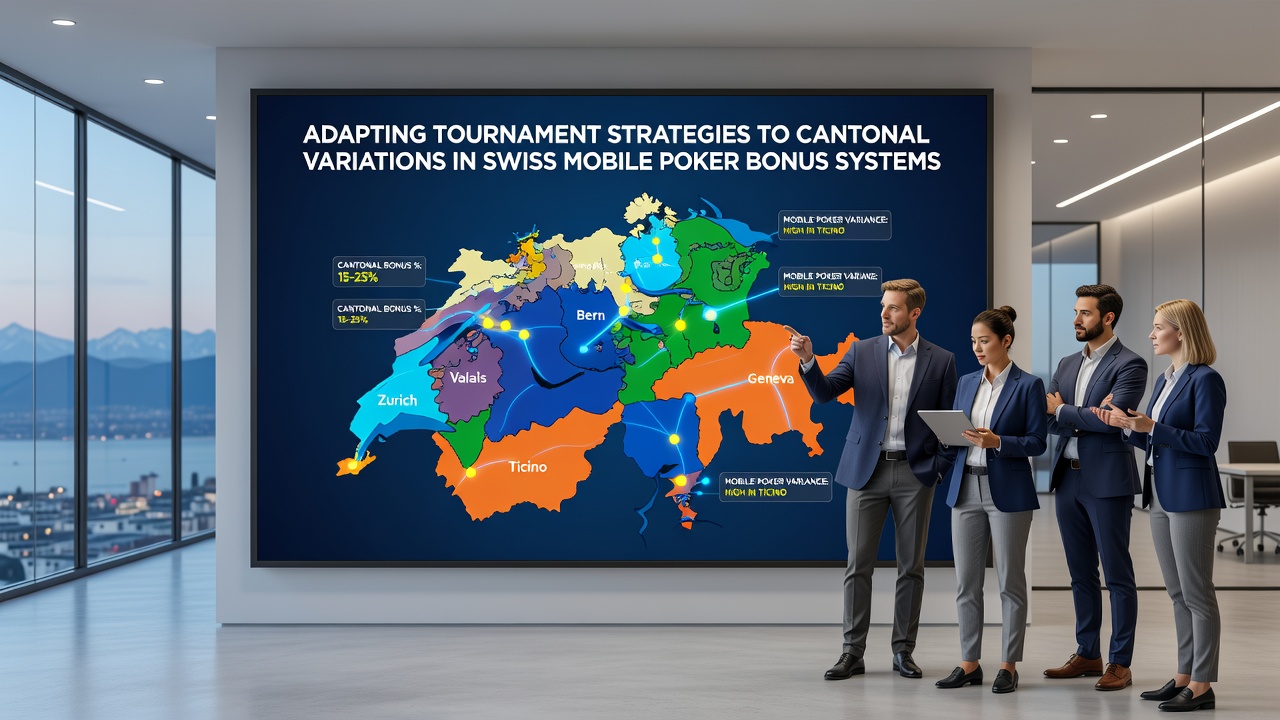
Adapting Tournament Strategies to Cantonal Variations in Swiss Mobile Poker Bonus Systems
Swiss mobile poker operates under a framework where federal guidelines intersect with cantonal rules, creating distinct bonus structures that tournament players encounter when accessing platforms from different regions. Observers note that these variations influence how participants manage entries, stack sizes, and late-stage decisions because bonus credits often carry region-specific wagering requirements and expiration timelines.
Understanding Cantonal Bonus Frameworks
Each of Switzerland's 26 cantons applies its own layer of oversight on mobile poker promotions, which means players in Zurich face different deposit match percentages and release schedules than those in Geneva or Basel. Data from industry reports shows that bonus pools in some eastern cantons emphasize volume-based rewards while western regions tie bonuses to session length, forcing adjustments in how competitors time their entries during multi-table events. Researchers at the University of St. Gallen documented these patterns in a 2025 analysis that tracked bonus utilization across six major cantons over twelve months.
Players often discover that a bonus labeled as "immediate release" in one canton converts to a staggered unlock in another, which changes the effective bankroll available for satellite tournaments. Those who monitor these differences report shifting their registration patterns to align with the most favorable release mechanics before major series begin.
Strategic Adjustments in Early Tournament Phases
Early levels require careful calibration because bonus credits sometimes count toward minimum buy-in thresholds only in certain cantons. Experts have observed that participants adjust their opening ranges when they know a larger portion of their stack derives from a time-sensitive promotion, since losing that portion can eliminate access to subsequent bonus tiers. In August 2026, several platforms updated their tracking systems to flag canton-specific bonus eligibility directly in the lobby, giving players clearer data before they commit chips.
What's interesting is how this transparency affects aggression levels. Data indicates that players using apps registered in cantons with stricter bonus conversion rules tend to adopt tighter ranges in the first two hours, preserving chips until the bonus portion becomes fully withdrawable. Conversely, regions offering faster conversion see more speculative plays because the risk of losing promotional funds decreases.
Mid-Stage Adaptations and Risk Management

By the middle stages, stack preservation becomes tied to whether remaining bonus funds can still be released through continued play. Studies from the Swiss Federal Gaming Board reveal that cantons enforcing minimum active-hand requirements before bonus clearance see fewer all-in confrontations during pay-jump periods. Players in these areas often extend their survival strategy by one or two orbits longer than they would under standard structures.
One case documented by analysts at the European Gaming Research Institute involved a player who switched devices mid-tournament to access a different cantonal bonus pool, thereby extending playtime without additional deposits. Such maneuvers remain legal within the rules yet require precise timing because cross-canton logins trigger verification checks that can pause bonus accrual.
Late-Stage Decision Making Under Bonus Constraints
Final table dynamics shift when bonus release schedules conflict with payout structures. Observers have noted that players aware of pending bonus milestones sometimes accept slightly negative expected value shoves if the move guarantees the next bonus tier, effectively treating the promotional credit as additional equity. Figures from the 2025 Swiss Online Gaming Report show this behavior occurring more frequently in cantons where bonuses expire within 48 hours of the tournament start.
Those who prepare in advance maintain separate strategy notes for each major canton they access, updating ranges based on the current bonus phase. This preparation allows quicker adjustments when a last-minute promotion appears in the lobby and alters the effective value of remaining chips.
Conclusion
Cantonal variations in Swiss mobile poker bonus systems create measurable differences in how tournament participants allocate risk across stages. Players who track these regional distinctions and incorporate them into preparation routines gain access to more predictable bankroll movement and clearer decision frameworks. As platforms continue refining their regional tracking tools, the ability to adapt strategies accordingly remains a documented factor in long-term results across Swiss mobile poker events.